
Short answer: Winery bookkeeping in Temecula keeps tasting room, club, event, online and wholesale sales on separate lines and matches retail sales tax to the CDTFA return. Production costs move into inventory and out as wine sells, and club prepayments and event deposits are held until earned. The books are kept so they tie to your TTB and ABC records.
Wine country books are different
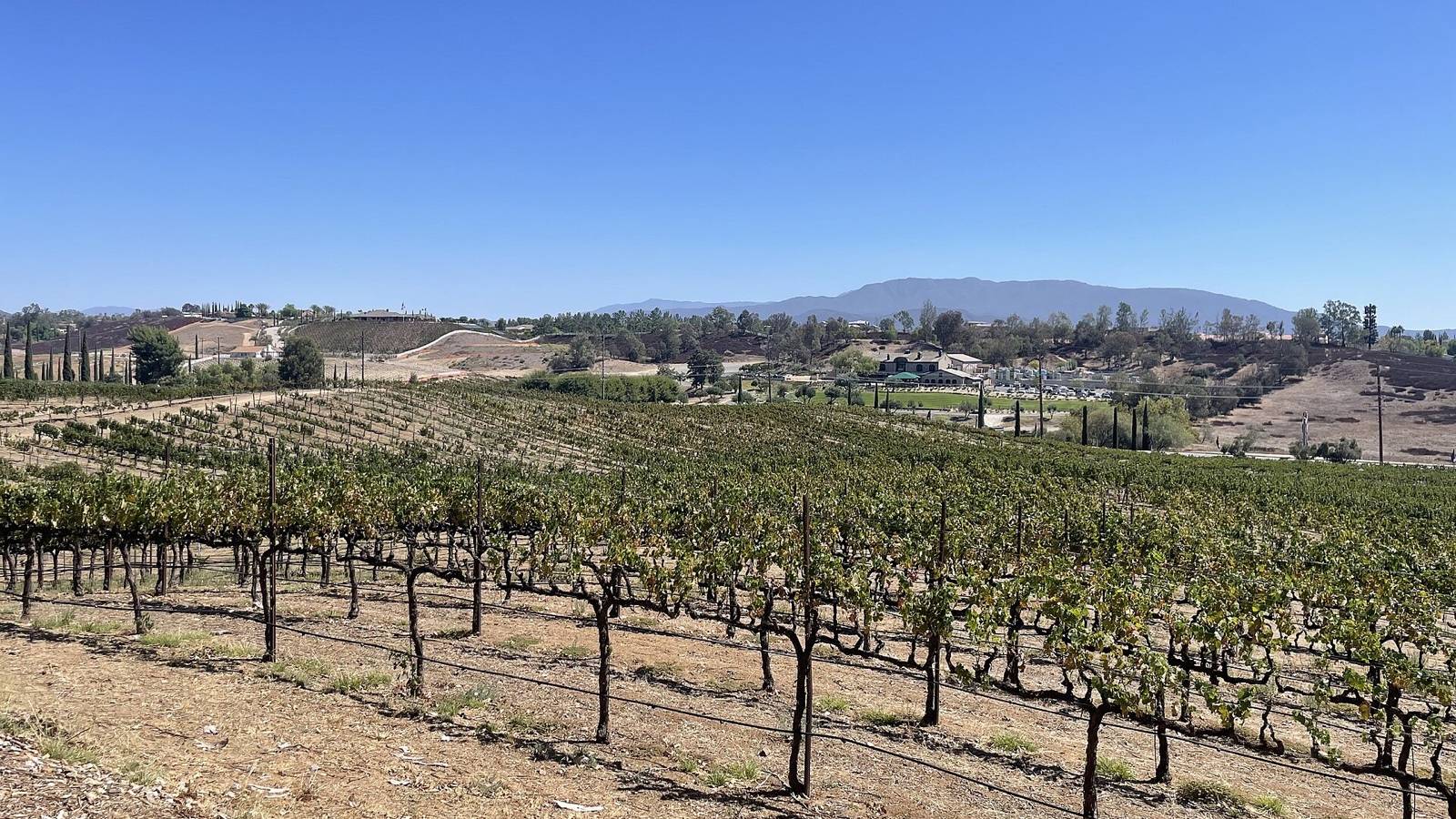
Temecula Valley wine country is a federally recognized American Viticultural Area, with tasting rooms along Rancho California Road and De Portola Road. A small winery there may run a tasting room, a wine club, events, a restaurant and some wholesale accounts at once.
Each of those has different sales tax, different costs and different timing. Wine also sits in barrels for a long time before it is sold, so cost of goods is not a simple purchase line.
What winery books track
- Tasting room, club, event, online and wholesale sales as separate lines
- Sales tax on retail sales matched to the CDTFA return
- Bulk wine and case goods inventory, with costs moved as wine is bottled
- Grapes, barrels, bottles, corks and labels as production costs
- Federal excise tax on wine, and the records behind it
- Event deposits and club prepayments held until earned
- Seasonal labor at harvest from payroll
Federal and state reporting
Bonded wineries file operations reports and excise tax returns with the federal Alcohol and Tobacco Tax and Trade Bureau. Licensing in California runs through the Department of Alcoholic Beverage Control.
Bookkeeping does not file those reports, but the reports and the books must agree. Gallons removed, taxes paid and inventory on hand should match across all of them.
Check TTB and ABC directly for your filing schedule and license type.
Wine club and events
Club members pay on a schedule and pick up or ship wine later. Weddings and events take deposits months ahead. Until the wine ships or the event happens, that money has not been earned.
Holding it as a liability keeps revenue in the right month. It also tells you how much you owe in wine and events, which matters when cash looks better than it really is.
Cost of a bottle
Grapes or fruit, crush, barrels, time, bottles, corks, labels and labor all go into a bottle that may sell two or three years later. Expensing all of that when it is paid makes the harvest year look like a loss and the selling year look great.
Moving costs into inventory and out as wine sells gives each vintage a real cost. Your CPA can then decide how it is treated for tax.
Growers and farms
Riverside and San Bernardino counties still have citrus, avocado, nursery, egg and dairy operations. Farm books have seasonal cash, crop loans and equipment that is used for years. Clean monthly books make the farm return easier and make lenders more comfortable.
Winery agriculture by city
Where we work
We keep books for businesses across Riverside County and San Bernardino County.
- Chino
- Corona
- Fontana
- Moreno Valley
- Murrieta
- Ontario
- Rancho Cucamonga
- Redlands
- Riverside
- San Bernardino
- Temecula
- Upland
Questions
Can you track wine inventory in QuickBooks?
QuickBooks and Xero can hold inventory values. Many wineries keep detailed lot data in a winery system and post summary entries to the books monthly.
Do you file TTB reports?
No. We keep the books so they tie to your TTB and ABC records.
Our cash is tight before harvest. Can books help?
Monthly books with a simple cash forecast show the low point before you reach it.