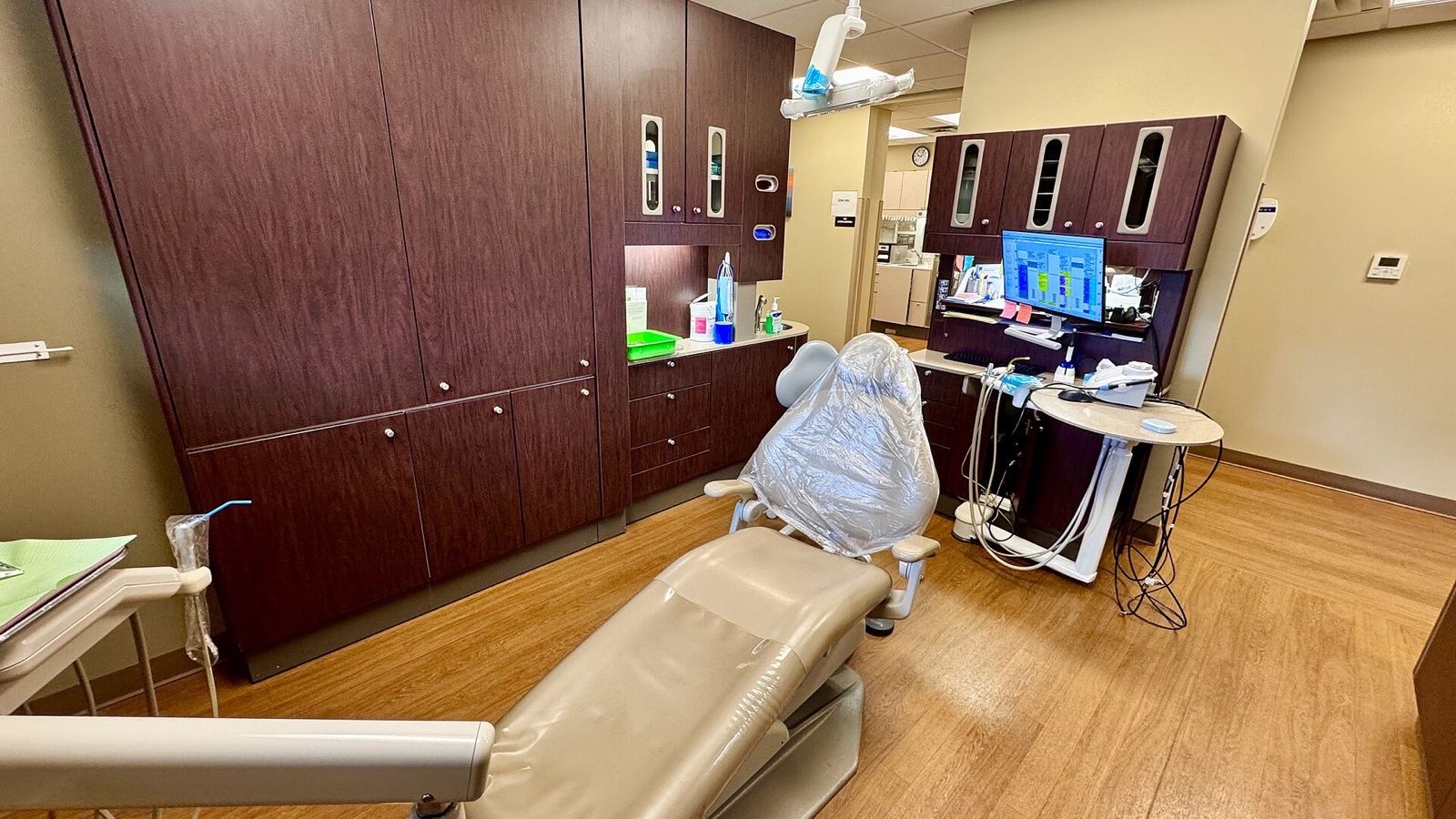

Short answer: Medical practice bookkeeping in the Inland Empire records insurer deposits by payer, keeps patient payments and card fees apart, and builds the books on deposits checked against collections. Supplies, payroll, equipment loans and owner pay each get the right account. The work runs on deposit reports and bank statements, with no need for patient charts.
Healthcare is a big IE employer
Hospitals and clinic systems anchor many IE cities: Loma Linda, Riverside, Moreno Valley, Murrieta, Fontana and Upland among them. Around them sit hundreds of small practices: family medicine, dental, chiropractic, physical therapy, optometry and behavioral health.
Small practices share one problem. Money comes from many payers, in odd amounts, weeks after the visit.
What practice books need
- Insurer deposits recorded by payer, with adjustments shown
- Patient payments and card fees kept apart from insurance
- Refunds and overpayments tracked until they clear
- Dental lab, medical supply and drug costs as separate lines
- Provider and staff payroll from your payroll provider
- Equipment loans and leases split into principal and interest
- Owner draws or distributions kept out of expenses
Your patients stay in your systems
Bookkeeping does not need patient charts or diagnoses. The work runs on deposit reports, payer summaries and bank statements. Keep patient detail in your practice management system and send summary reports only.
Production, collections and deposits
Your practice system reports production: what was billed. Collections are what was actually paid. Deposits are what reached the bank, after card fees and with several days of payments mixed together.
The books should be built on deposits and checked against collections. When the gap between production and collections grows, that is a billing question to raise with your biller, and the books are what show it.
Owner pay in a practice
Many practices are professional corporations. Owner doctors often take a salary through payroll and distributions on top. Personal expenses sometimes run through the practice card.
Each of those needs the right account. Clean owner pay records protect you if the practice is ever sold, borrows money or adds a partner.
Common cleanup items
- Deposits recorded as one line with no payer detail
- Card processing fees missing
- Equipment bought on loans recorded as expenses
- Supplies from one vendor split across three accounts
- Payroll entered as a single number with no taxes
What to review each month
| Report | Why |
|---|---|
| Collections by payer | Shows slow or shrinking payers |
| Profit and loss by month | Tracks supply and staff cost against collections |
| Bank reconciliation | Proves every deposit is in the books |
| Loan balances | Matches the lender's statement |
Where we work
We keep books for businesses across Riverside County and San Bernardino County.
- Chino
- Corona
- Fontana
- Moreno Valley
- Murrieta
- Ontario
- Rancho Cucamonga
- Redlands
- Riverside
- San Bernardino
- Temecula
- Upland
Questions
Do you do medical billing?
No. Billing and claims stay with your biller. The books record what is collected.
Do you need access to patient records?
No. Summary deposit and payer reports are enough.
We have two locations. Can the books split them?
Yes. Each location can have its own class or tracking category.