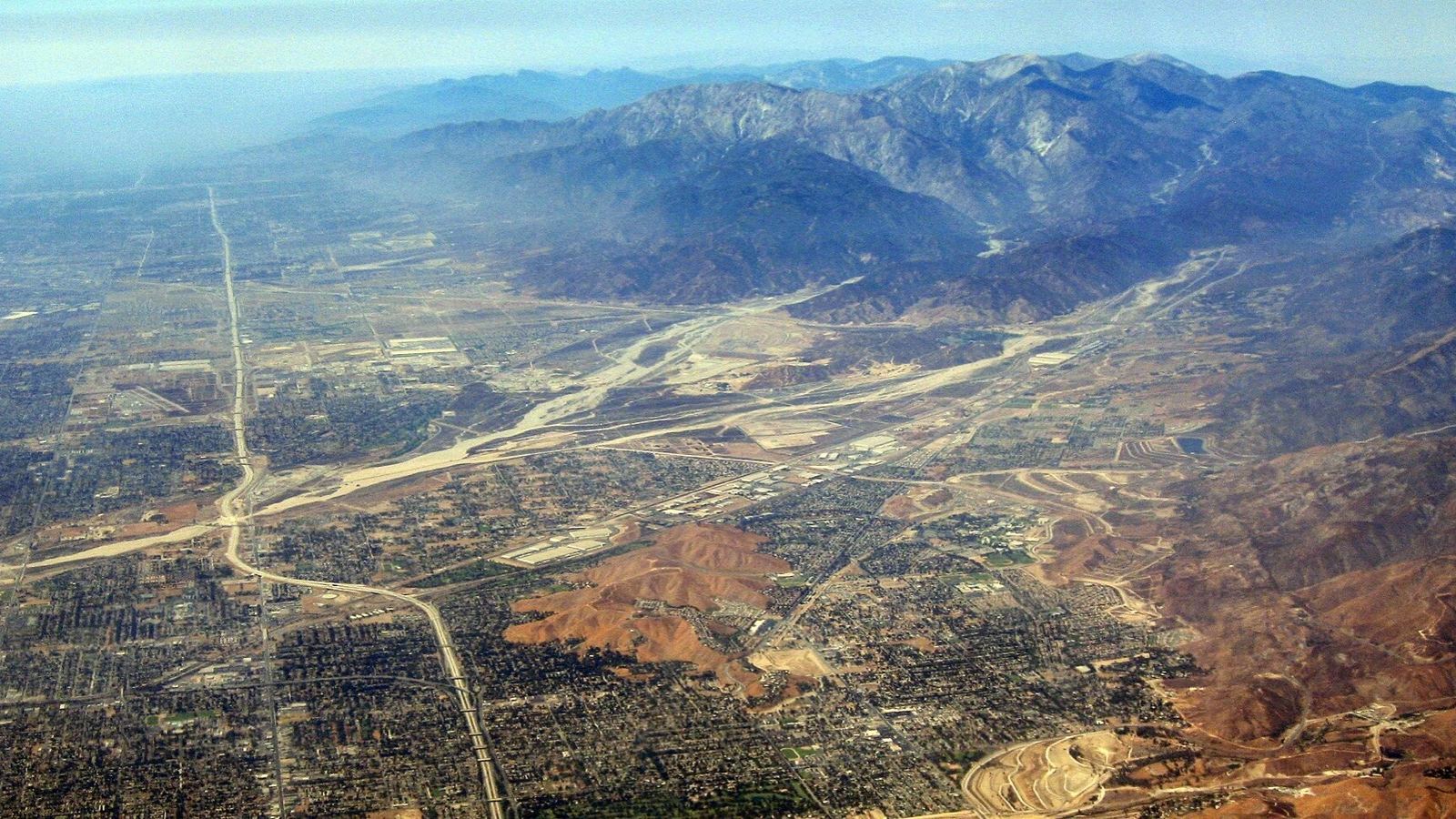

Short answer: An Inland Empire bookkeeper can serve any city in Riverside or San Bernardino County remotely. Each city sets its own business license, so the city page covers that rule and the local business mix.
Riverside County
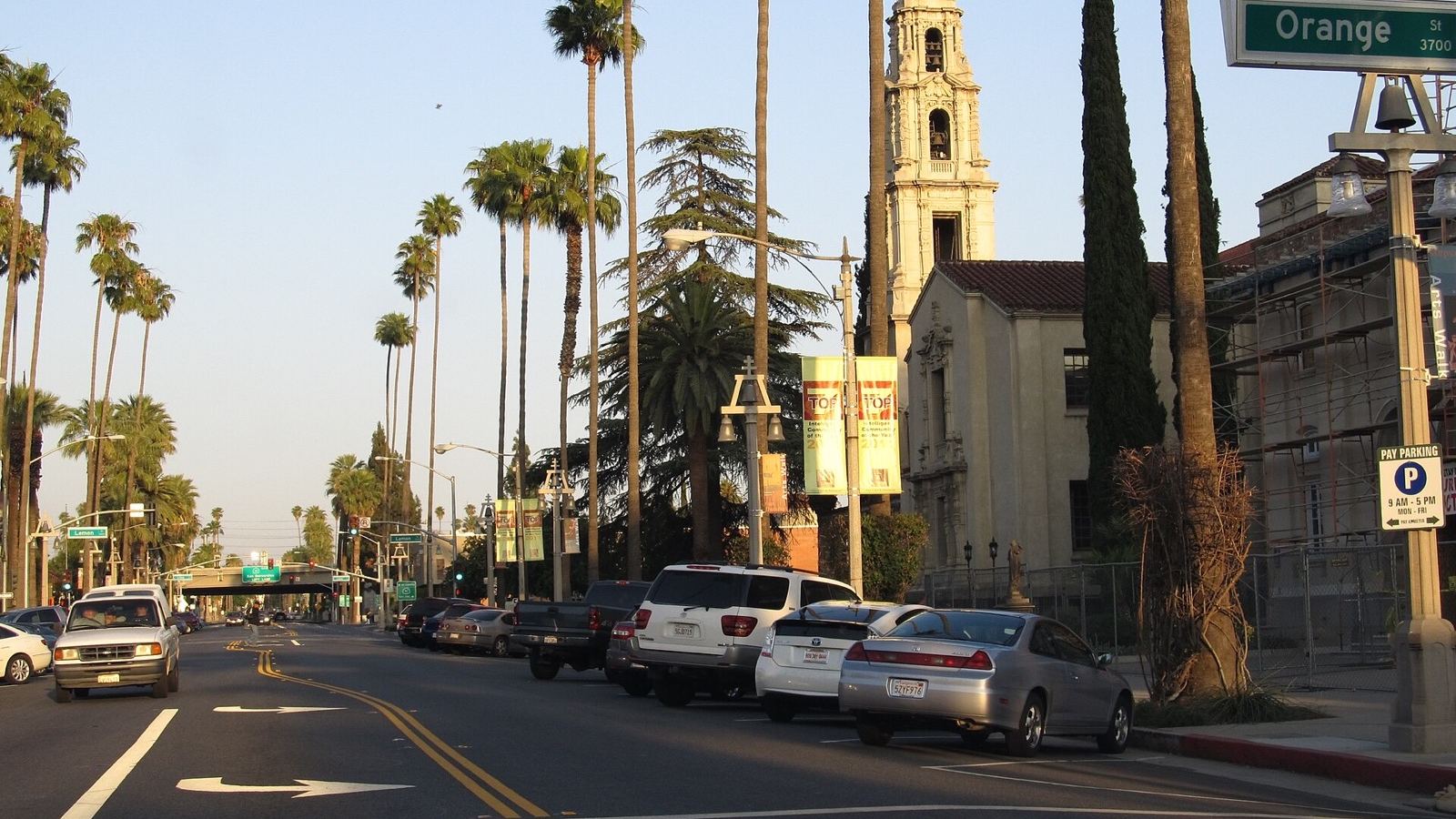 RiversideClean monthly books for shops, contractors, landlords and service firms in the county seat.
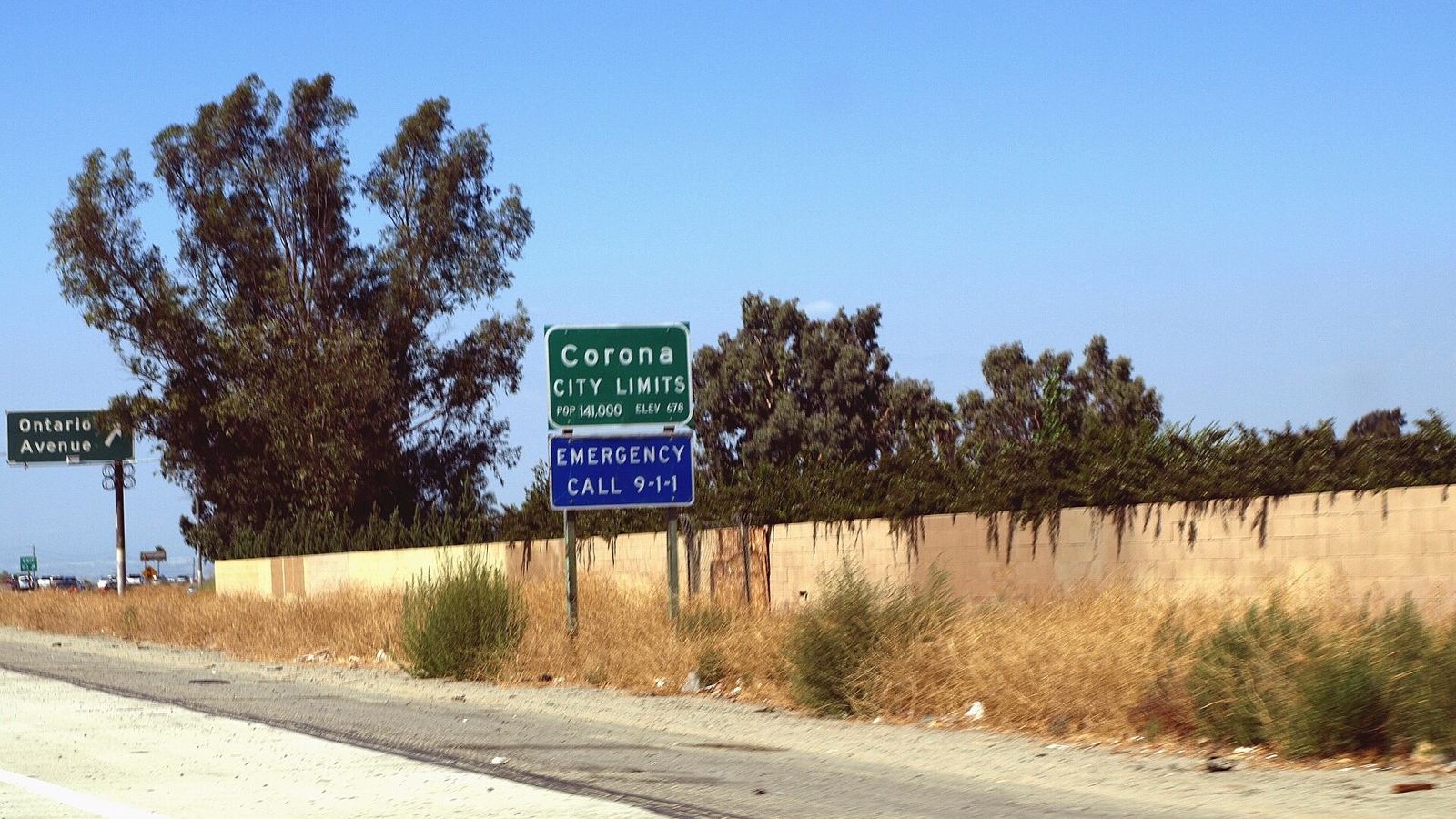 CoronaFor Circle City makers, trades and service firms that want books they can trust each month.
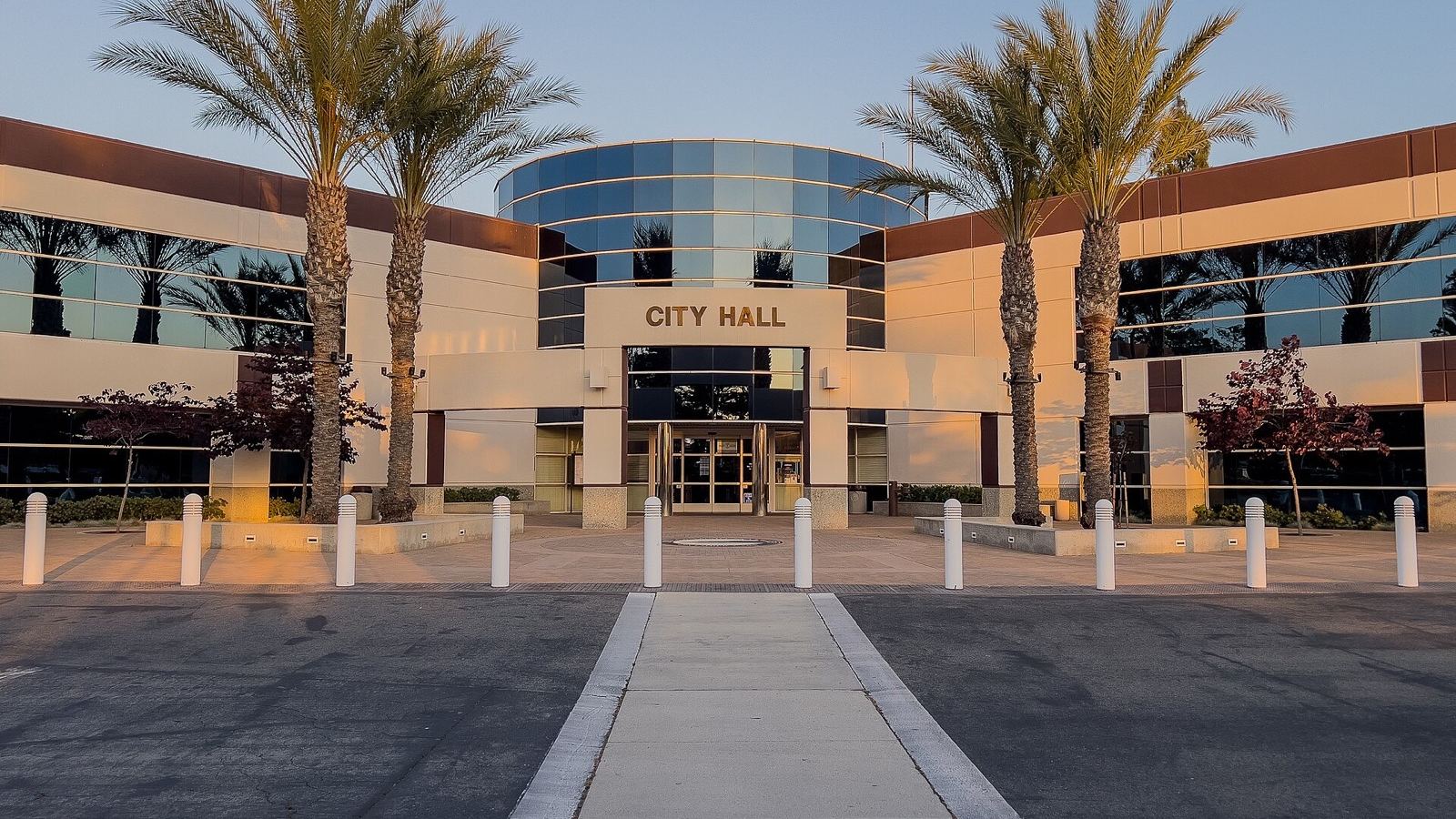 Moreno ValleyFor the businesses that serve one of the IE's biggest job centers, from warehouse crews to clinic staff.
 TemeculaWine country, Old Town and the business parks off the I-15 all need books that close every month.
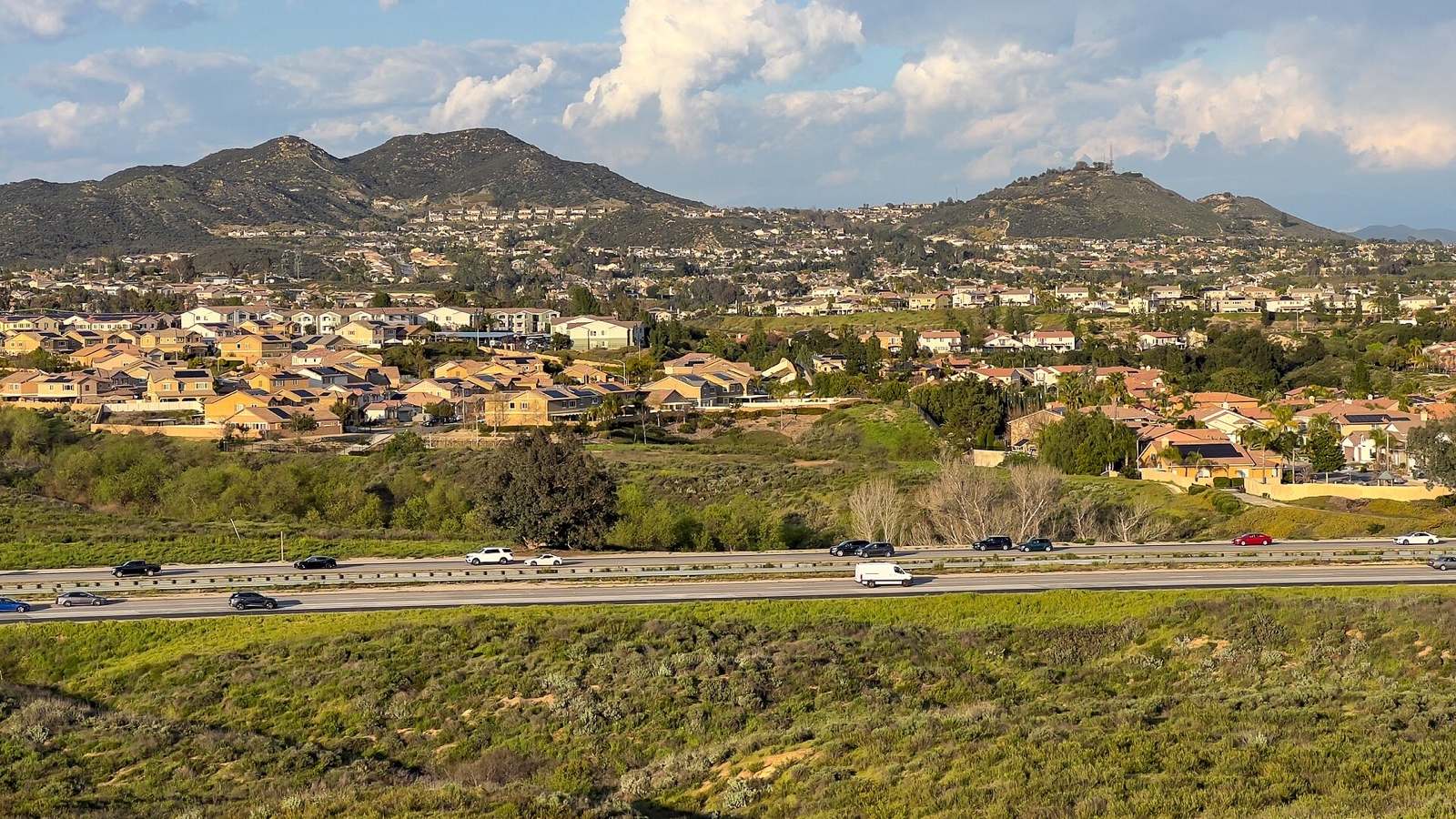 MurrietaFor the clinics, home service crews and shops that serve one of the region's fastest growing areas.
San Bernardino County
 San BernardinoBooks that keep up with freight, food and field work in the county's largest city by name.
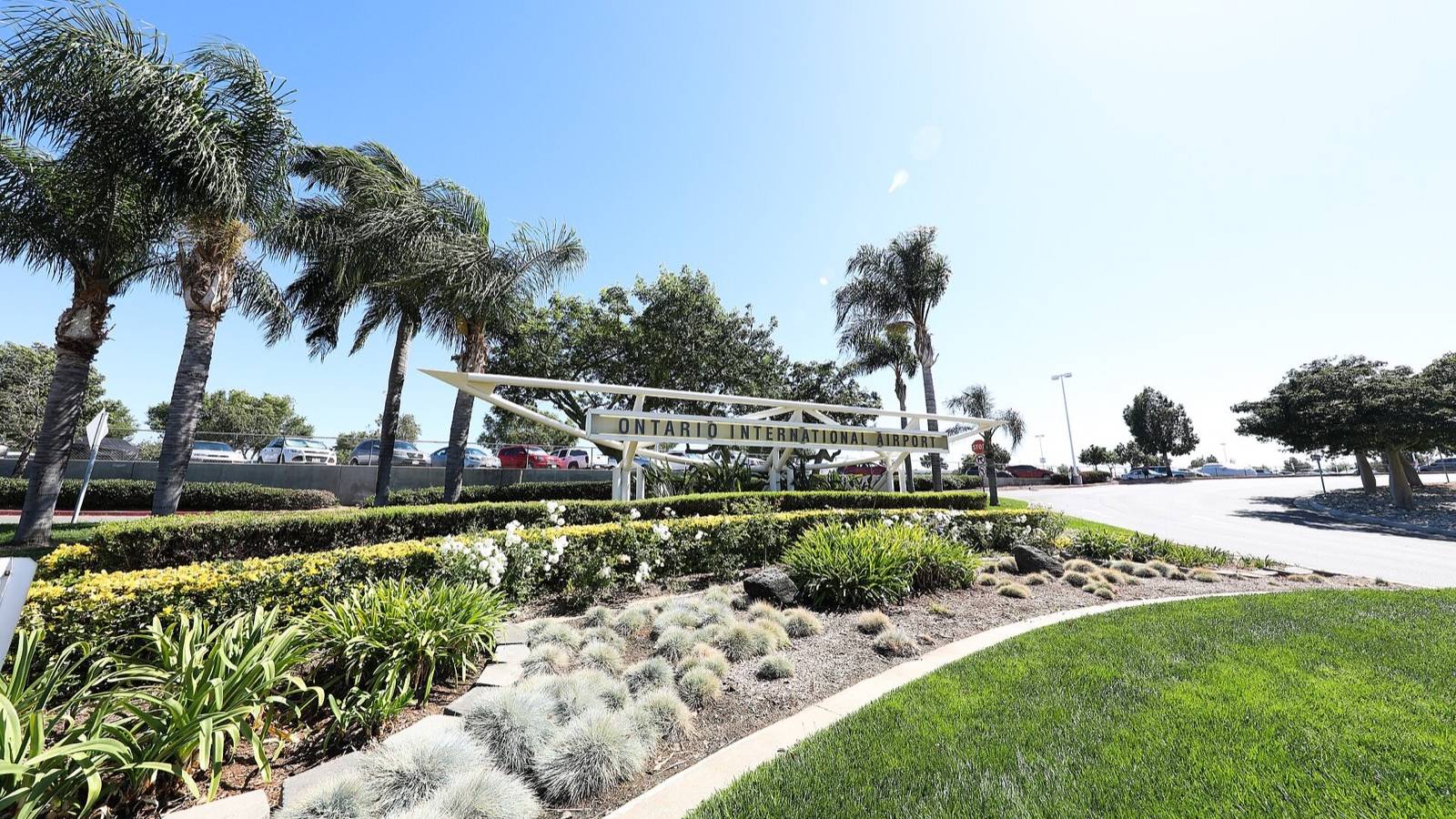 OntarioFor the shops, fleets and service firms that grow up around an airport and a warehouse belt.
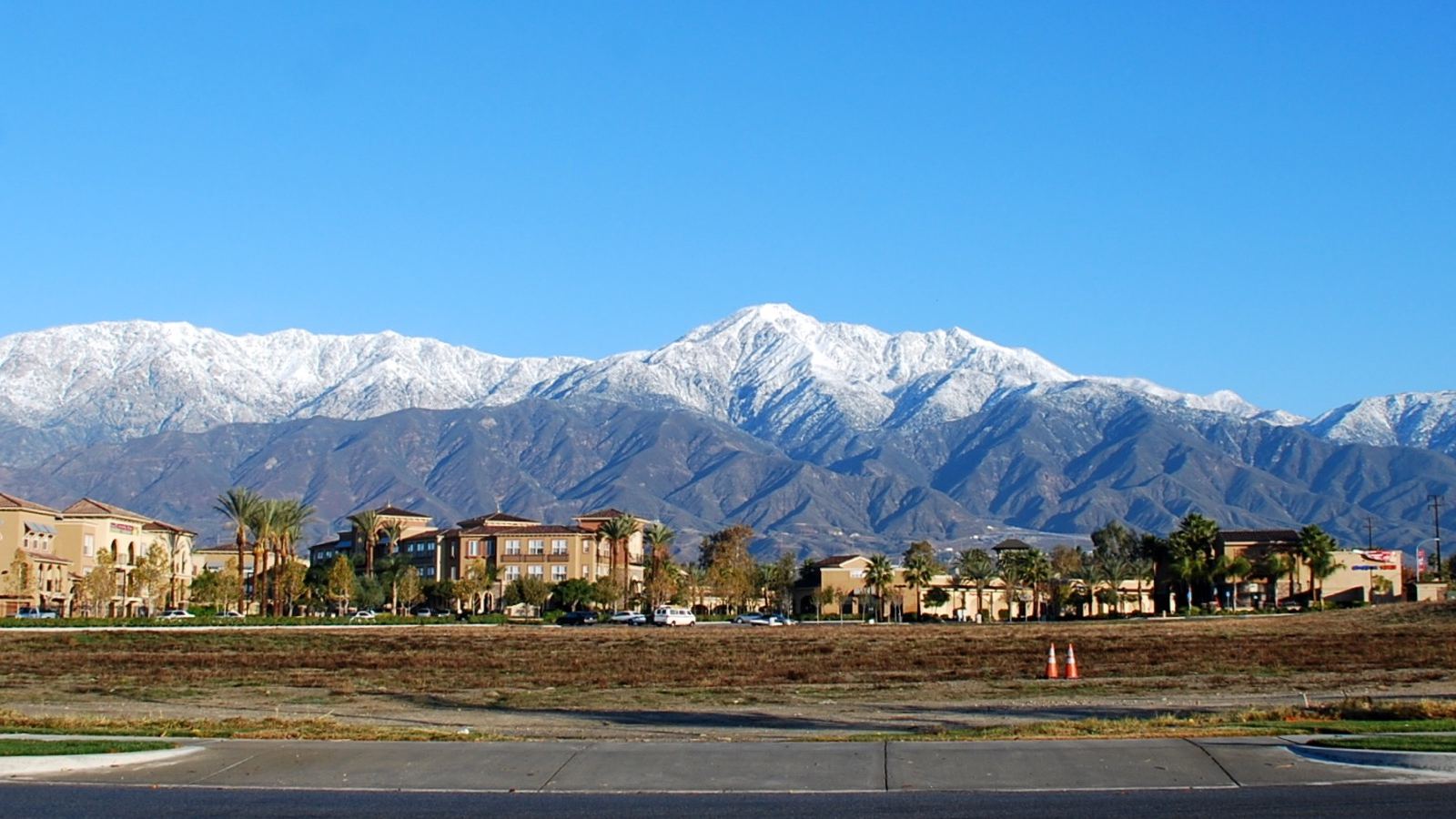 Rancho CucamongaMonthly books for the offices, clinics, shops and trades along Haven, Foothill and Victoria Gardens.
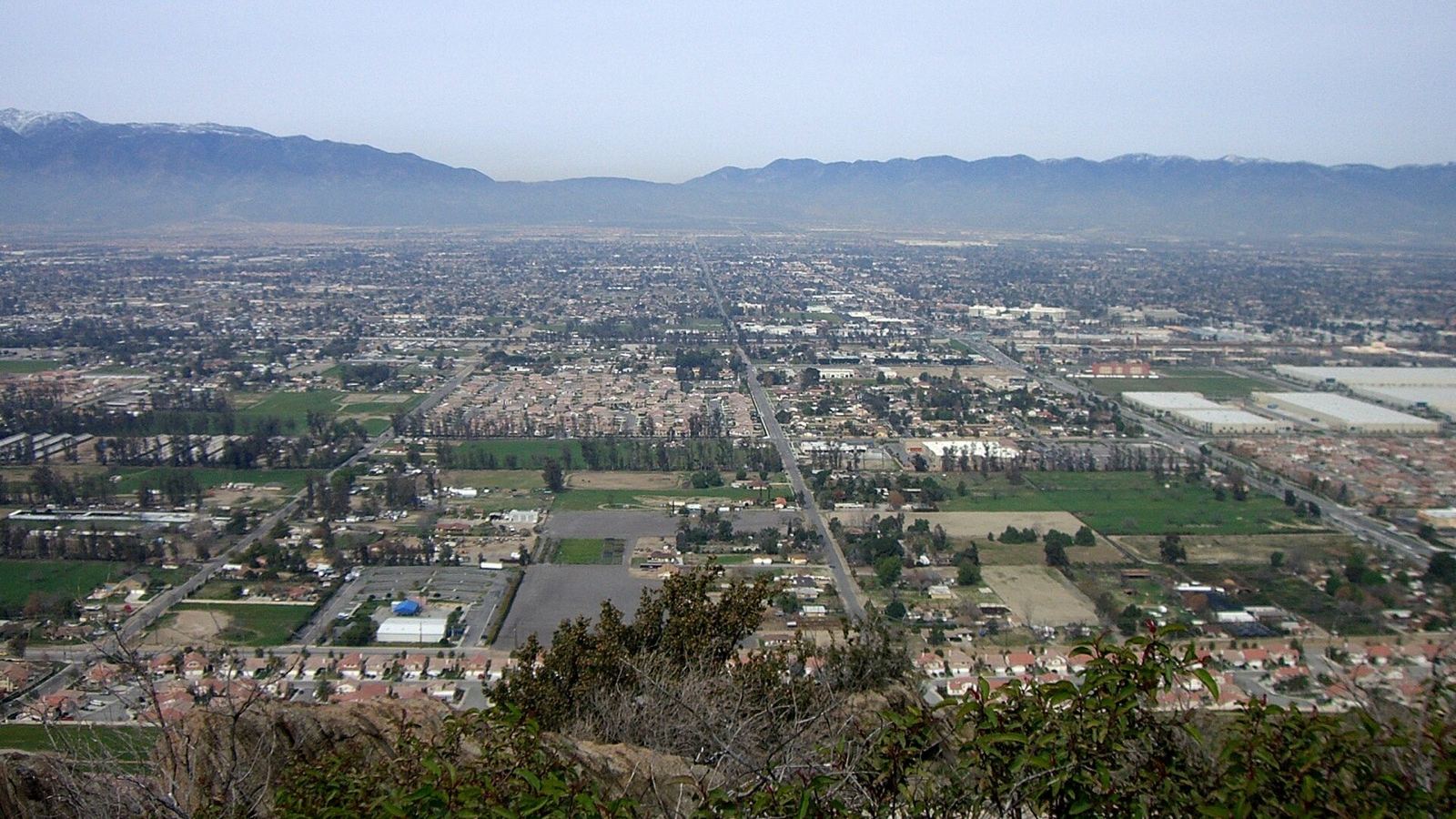 FontanaFrom steel town to freight town, Fontana businesses move a lot of money. The books should keep up.
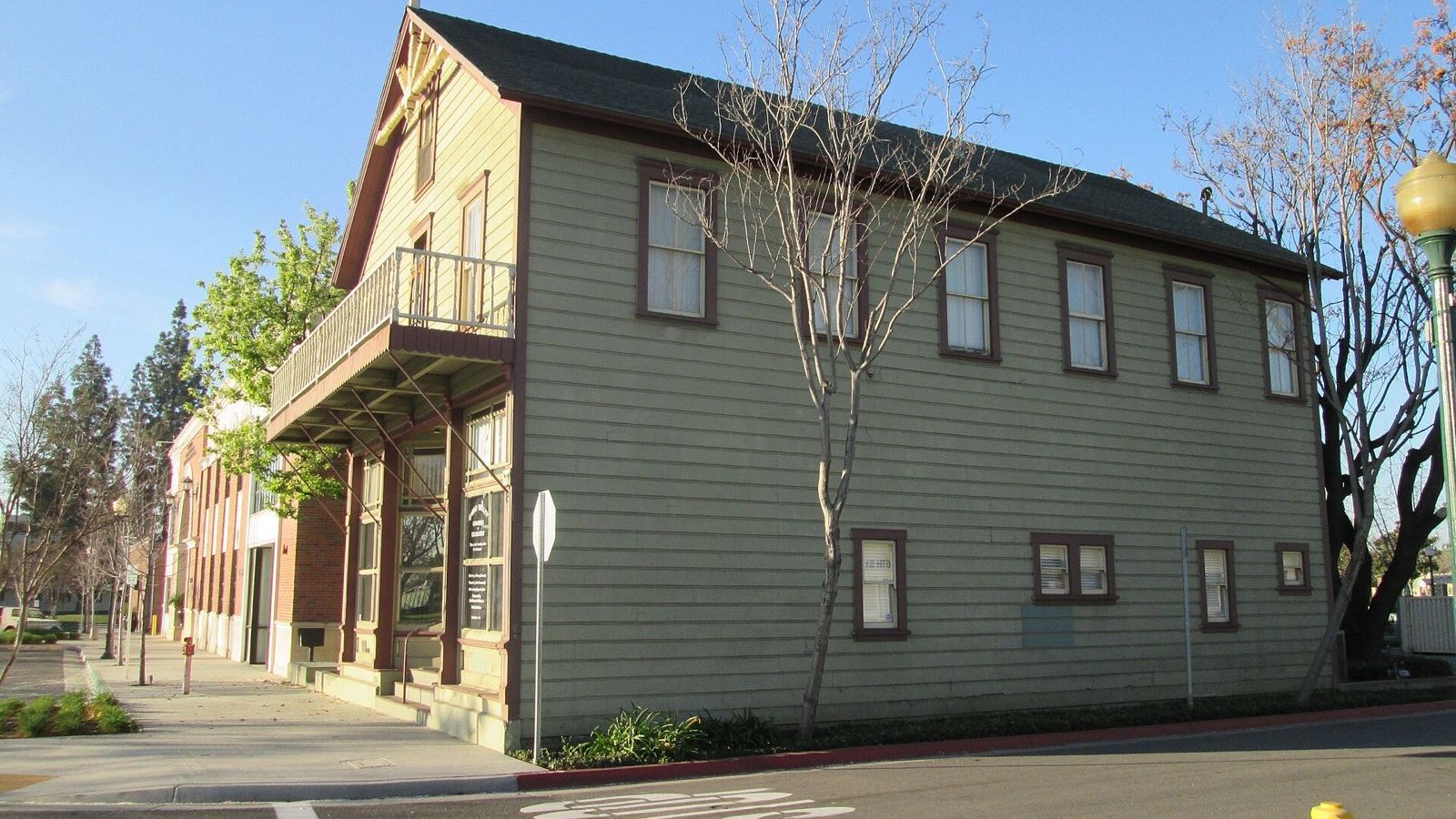 ChinoFrom the old dairy land to the new business parks, Chino businesses need books that hold up.
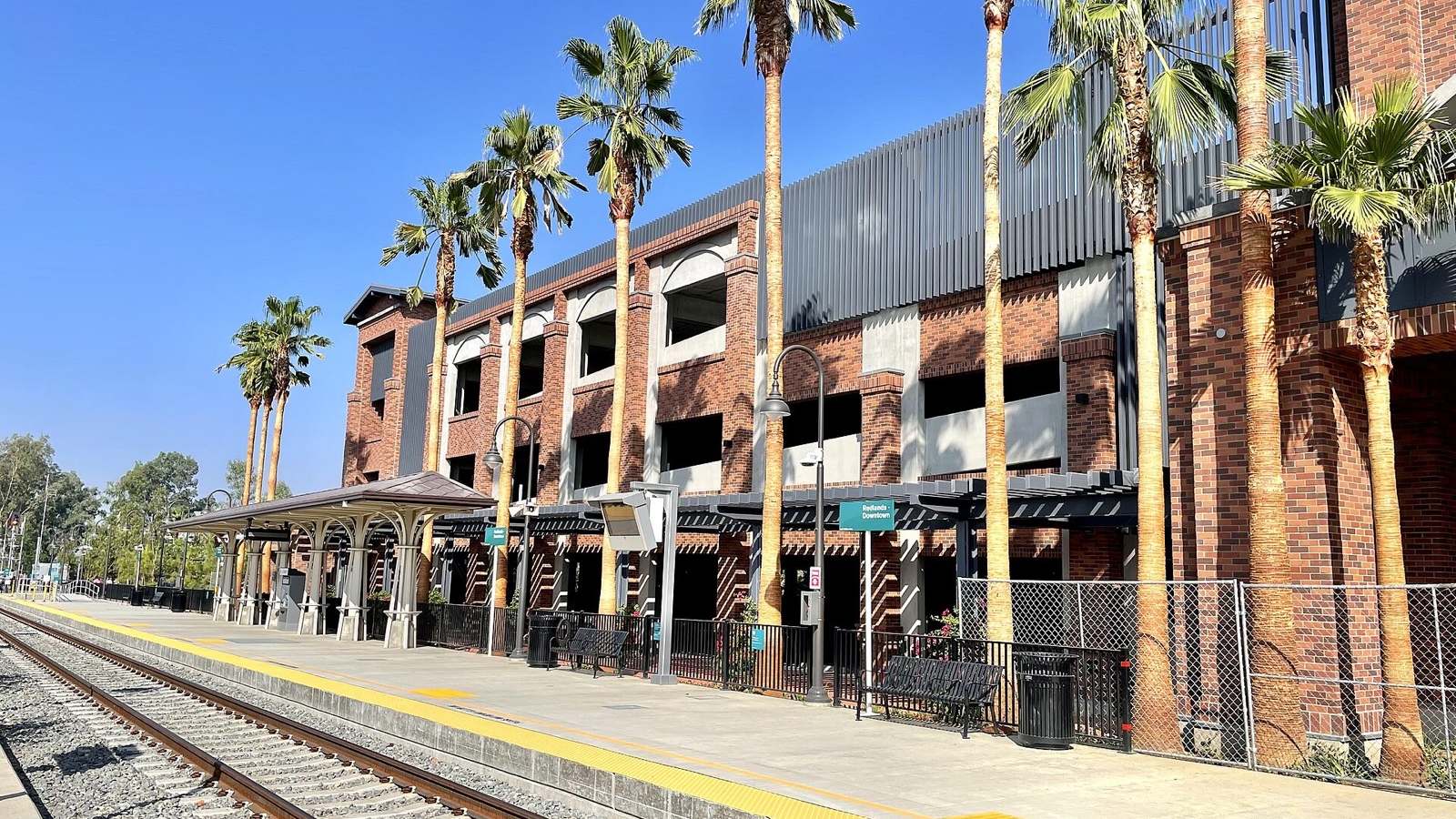 RedlandsFor downtown shops, consultants, clinics and the trades that work east San Bernardino County.
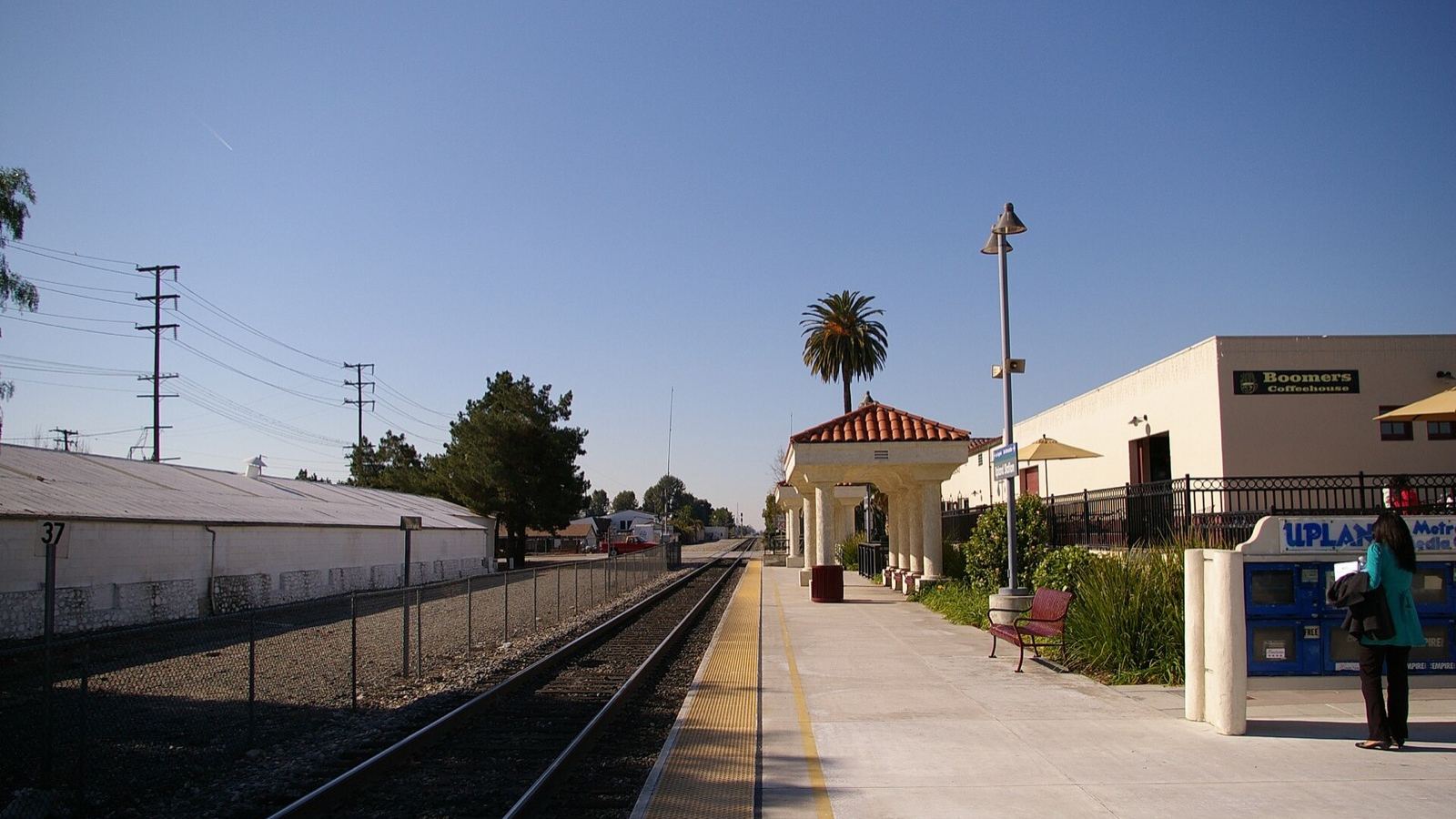 UplandFor the offices, clinics and family businesses between Euclid Avenue and the foothills.
Two counties, one region
The Inland Empire covers Riverside County and San Bernardino County. Most of the business activity sits in the western valleys: the I-10 and SR-60 corridors from Chino to Redlands, and the I-15 and I-215 corridors from Corona to Temecula.
Each city sets its own business license or business tax rules. A Fontana contractor who works a job in Rancho Cucamonga may need a license in both places. Those fees and renewals belong in the books with the right dates.
Same county, different rules
Moving a shop from one IE city to the next changes more than the address. These are the items to recheck after a move or a new location.
| Recheck this | Why it changes | Where to confirm it |
|---|---|---|
| Business license | Each city runs its own license, fee basis and renewal date | The city's finance or business license office |
| Sales tax rate | Some cities add a local district tax on top of the state rate | The CDTFA tax rate lookup by address |
| Location on your seller's permit | CDTFA needs each place of business on file | Your CDTFA online account |
| Class or location in the ledger | Separate locations need separate profit and loss reports | Your bookkeeping file |
San Bernardino County cities
- San Bernardino
- Ontario
- Rancho Cucamonga
- Fontana
- Chino
- Redlands
- Upland
Riverside County cities
- Riverside
- Corona
- Moreno Valley
- Temecula
- Murrieta
How remote bookkeeping works here
Your bank, card and software connect online. A bookkeeper works in your QuickBooks Online or Xero file and meets you by phone or video. Nothing needs to be dropped off, and your records stay in your accounts.
Questions
Do you have an office in the Inland Empire?
No. The bookkeeping team works remotely with IE businesses. Calls happen by phone or video.
My city is not listed. Can you still help?
Yes. If your business is anywhere in Riverside or San Bernardino county, ask.
Do you get my city business license for me?
No. Licenses come from each city. We track the fees and renewal dates in your books.