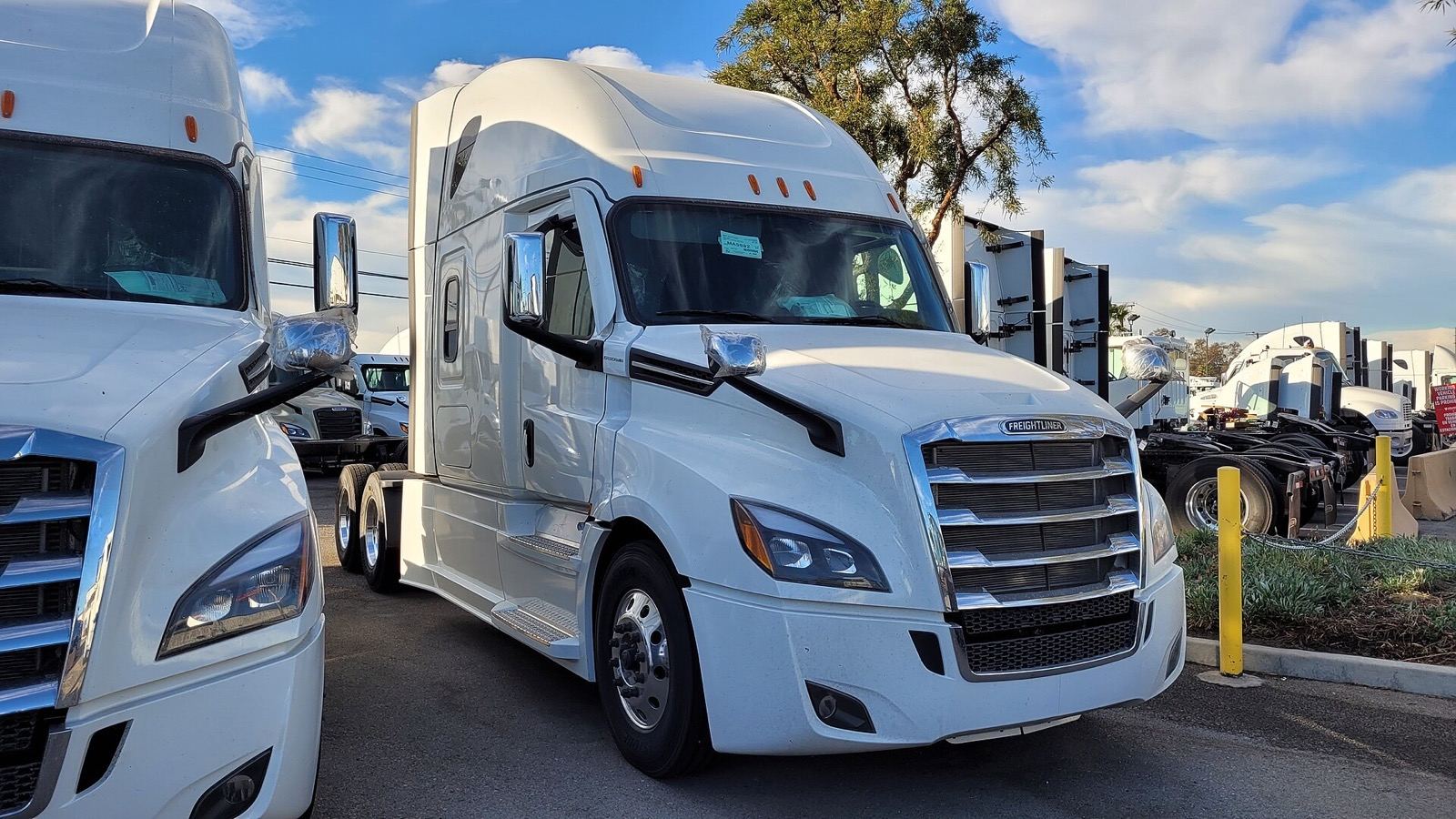

Short answer: Trucking bookkeeping in the Inland Empire shows what each truck and load earns after fuel, insurance and the truck note. Settlements are entered gross with factoring fees on their own lines, fuel and miles are tracked by truck and state for IFTA, and truck loans are split into principal and interest. You or your permit service still file IFTA.
Why truckers outgrow a shoebox
The IE moves freight. Loads come out of Ontario, Fontana, Mira Loma and the Moreno Valley warehouses every day. If you run one truck or ten, the money in and out is heavy and fast.
Gross can look great while net is thin. Fuel, tires, insurance, factoring fees, the truck payment and broker deductions eat it. Without clean books, you cannot tell a good lane from a bad one.
What trucking books track
- Revenue by load, broker and customer, with factoring fees split out
- Fuel by truck, with gallons and the state where it was bought
- Miles by truck and by state, from your ELD or trip sheets
- Repairs, tires and maintenance by unit
- Insurance, permits, registration and the heavy vehicle use tax
- Driver pay or settlements, kept apart from owner draws
- Truck and trailer loans split into principal and interest
IFTA records
If you run a qualified motor vehicle across state lines, you file IFTA fuel tax returns every quarter. In California, IFTA is run by the California Department of Tax and Fee Administration.
The return needs miles and gallons by state. A bookkeeper keeps fuel receipts organized and matched to your mileage reports each month, so the quarterly return is a summary, not a scramble. You or your permit service still file the return.
IFTA rules and filing dates come from CDTFA. Check its IFTA page for your account.
Heavy vehicle use tax
Trucks at 55,000 pounds gross or more owe the federal heavy highway vehicle use tax, filed on IRS Form 2290. Your books should show the payment and the proof, since registration depends on it.
Settlements and factoring
Many carriers get paid through a factoring company or a broker settlement. The deposit that hits the bank is already short the factoring fee, any advance, and sometimes fuel or insurance the broker paid for you.
Books built from the deposit alone understate revenue and hide those costs. The fix is to enter each settlement at its gross amount and record every deduction on its own line. Then your profit per load is real.
Owner draws and the truck note
Owner-operators often pay themselves by moving money from the business account whenever it is needed. That is fine, if the books record it as a draw and not as an expense.
The truck payment is the other common mistake. Only the interest part is an expense. The principal reduces the loan. Getting this right changes your profit, and it is one of the first things your tax preparer will ask about.
Numbers worth checking monthly
| Measure | Why it matters |
|---|---|
| Revenue per mile | Shows which lanes and brokers pay |
| Cost per mile | Fuel, maintenance, insurance and payment, all in |
| Profit per truck | Tells you if a unit should stay on the road |
| Fuel as a share of revenue | Spots price swings and wasted miles |
| Factoring fees | Shows what fast cash really costs |
Trucking by city
Where we work
We keep books for businesses across Riverside County and San Bernardino County.
- Chino
- Corona
- Fontana
- Moreno Valley
- Murrieta
- Ontario
- Rancho Cucamonga
- Redlands
- Riverside
- San Bernardino
- Temecula
- Upland
Questions
Can you pull data from my ELD or fuel card?
Most fuel cards and many ELDs export reports. A bookkeeper can match those exports to the books each month.
Do you file my IFTA return?
No. We keep the miles and fuel records clean and ready. You, your permit service or your tax preparer files.
I just went from company driver to owner-operator. Where do I start?
Open a separate business bank account and card first. Then set up books with the truck, the loan and your authority costs from day one.
Do you work with small fleets?
Yes. Books can be split by truck so each unit has its own profit report.