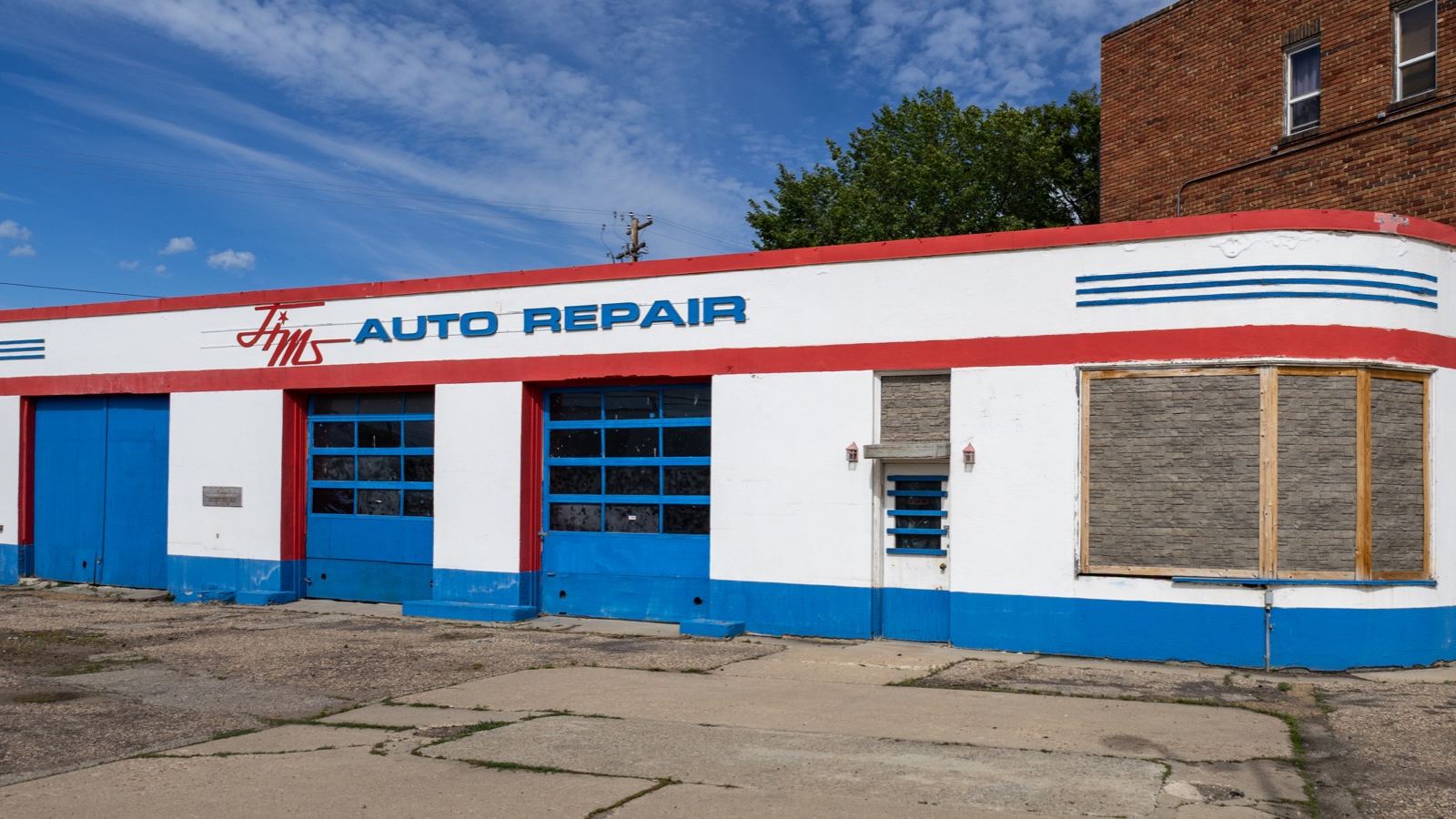

Short answer: Auto repair shop bookkeeping in the Inland Empire splits parts sales from labor sales, because parts carry sales tax in California and repair labor usually does not. The books match taxable sales to your CDTFA return and tie parts cost to jobs. Sublet, warranty and comeback costs get their own accounts, so parts and labor margins are clear.
Shops run on two kinds of revenue
Every repair order has parts and labor on it. They act differently. Parts carry a markup and, in California, sales tax. Repair labor is usually not taxed, but fabrication labor can be.
If your shop software sends one lump total to QuickBooks, your sales tax return and your margins are both guesses. Most shop books we see need this split fixed first.
What shop books track
- Parts sales and labor sales as separate income lines
- Taxable and non-taxable sales, matched to the sales tax return
- Parts cost tied to the jobs, including returns and cores
- Sublet work, such as machine shop or glass, kept apart
- Technician pay, flat-rate or hourly, from payroll
- Card processing fees, warranty claims and fleet accounts
- Tools, lifts and equipment as fixed assets
Sales tax on parts
California sellers report sales and use tax to the California Department of Tax and Fee Administration. Repair shops pay close attention because the split between parts and labor drives the tax.
A bookkeeper reconciles what your shop system says you collected with what the books show and what was filed. If those three numbers do not match, you want to know before CDTFA does.
CDTFA publishes a tax guide for auto repair. Read it or ask your tax preparer for your situation.
Registration with the state
California auto repair dealers register with the Bureau of Automotive Repair. That is a license matter, not a bookkeeping task, but keeping its fees and renewals in the books avoids surprises.
Comebacks, warranty and shop supplies
A comeback costs parts and technician time with no new revenue. Warranty work may be paid by a manufacturer or a warranty company weeks later. Shop supply fees appear on most invoices.
Each of these deserves its own account. Then you can see what comebacks cost you each month, follow up on unpaid warranty claims, and know whether the shop supply fee covers what you buy.
A clean month for a shop
- Sync or import sales Repair orders flow in from the shop system with parts, labor and tax split.
- Match deposits Card, cash and fleet payments are matched to the day's sales.
- Enter vendor bills Parts suppliers' statements are checked against the bills in the books.
- Reconcile and report Accounts are reconciled and you get margins for parts and labor.
Numbers to check every month
| Measure | What it shows |
|---|---|
| Parts margin | Whether your markup covers returns and shrink |
| Labor margin | Billed hours against technician pay |
| Car count and average repair order | Volume and ticket size, from your shop system |
| Receivables from fleets | Which accounts pay late |
| Sales tax collected vs filed | Proof the return matches the books |
Where we work
We keep books for businesses across Riverside County and San Bernardino County.
- Chino
- Corona
- Fontana
- Moreno Valley
- Murrieta
- Ontario
- Rancho Cucamonga
- Redlands
- Riverside
- San Bernardino
- Temecula
- Upland
Questions
Can you work with my shop management software?
Many shop systems sync to QuickBooks Online. We check the sync settings so parts, labor and tax land in the right accounts.
Do you file my sales tax return?
We prepare the numbers and reconcile them. You or your tax preparer files with CDTFA, unless that is set up as part of your service.
My books have years of lumped sales. Can that be fixed?
Yes. A cleanup can rebuild the split from repair order reports for the years that matter.