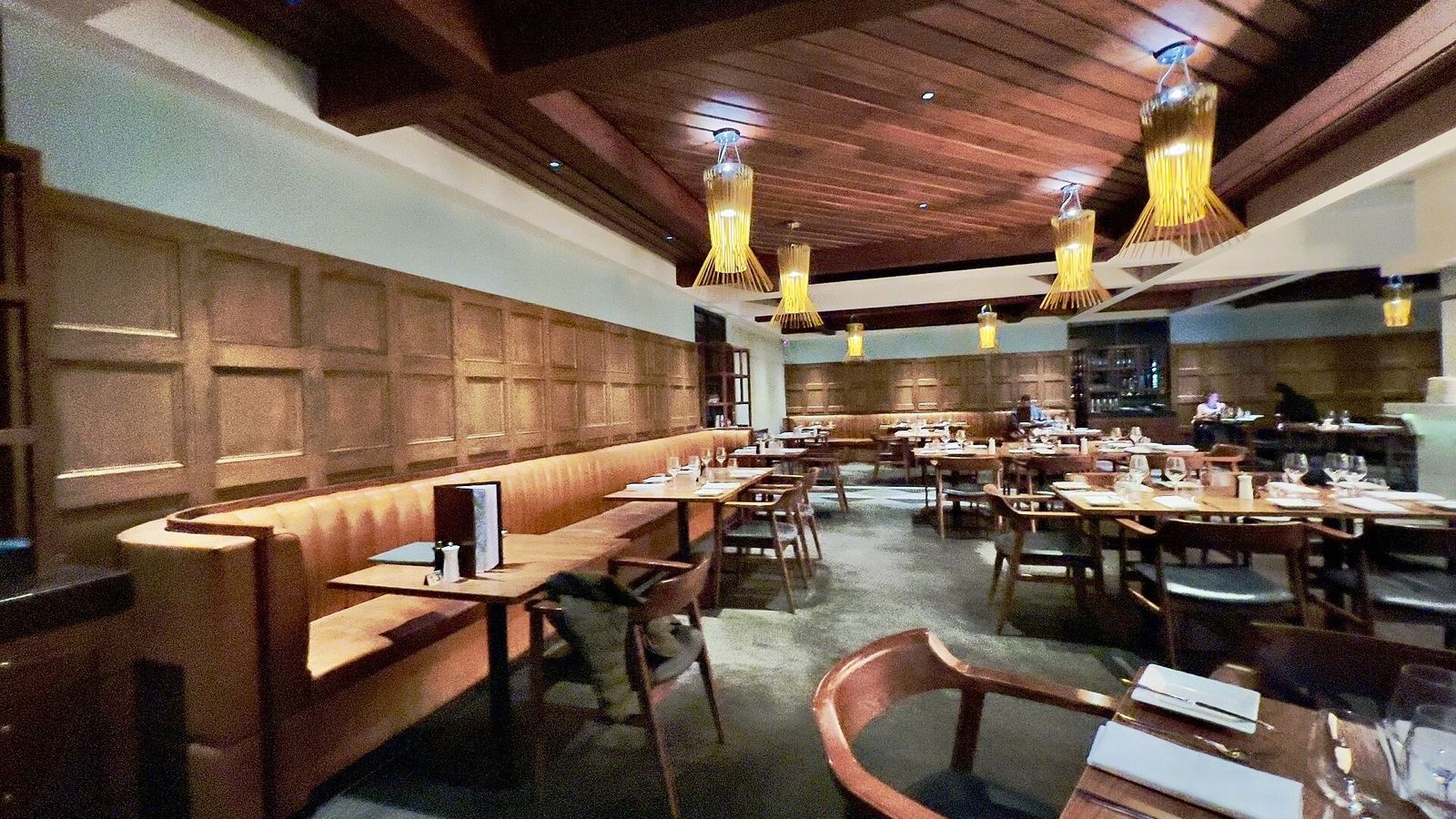

Short answer: Restaurant bookkeeping in the Inland Empire records daily POS sales by category, delivery app sales gross with commissions as an expense, and card fees on their own line. Tips are matched to payroll, cash deposits to drawer reports, and sales tax to your CDTFA return. Each month you get a profit and loss with food and labor cost percentages.
Restaurants have more moving parts than most
A busy taqueria in San Bernardino or a cafe in downtown Riverside can run hundreds of transactions a day. Card sales, cash, delivery app payouts, gift cards, tips, comps and refunds.
Delivery apps pay out net of commissions. Card processors deposit net of fees. If the books only record what hit the bank, sales are understated and fees vanish.
What restaurant books need
- Daily sales entries from your POS, split by category
- Delivery app sales recorded gross, with commissions as an expense
- Card fees recorded, not netted out of sales
- Tips collected and tips paid out, matched to payroll
- Food, beverage and paper costs kept as separate lines
- Sales tax collected matched to what you file with CDTFA
- Cash deposits reconciled to the drawer reports
Food cost and labor cost
The two numbers that decide most restaurant months are food cost and labor cost as a share of sales. You cannot see either one if purchases from your distributor sit in one expense line next to the rent.
Monthly books split them. Add an inventory count at month end and you get a real food cost, not an estimate.
Permits and county health
Food businesses in the IE get health permits from their county: Riverside County Department of Environmental Health or San Bernardino County Environmental Health Services. Permit fees and renewals belong in the books with the right dates, since an expired permit can close the doors.
Sales tax for food is not simple
In California, hot prepared food is generally taxable whether it is eaten in or taken to go. Many cold to-go items are not, unless special rules apply. Mandatory service charges can be taxable too.
Your POS settings decide most of this. A bookkeeper checks that the tax your POS reports, the tax in the books and the tax on your CDTFA return all agree, and flags the gaps for you or your tax preparer.
Signs your restaurant books need work
- Sales in the books equal bank deposits exactly, with no fees
- One expense line called food and supplies
- Tips paid in cash with no record
- Delivery app payouts recorded as sales
- No inventory count, ever
How the work runs
- Connect Bank, cards, POS reports and delivery app statements are gathered.
- Record sales Daily or weekly sales summaries go in by category, with tax and tips.
- Reconcile Deposits are matched to sales, and accounts are matched to statements.
- Report Each month you get profit and loss with food and labor cost percentages.
Where we work
We keep books for businesses across Riverside County and San Bernardino County.
- Chino
- Corona
- Fontana
- Moreno Valley
- Murrieta
- Ontario
- Rancho Cucamonga
- Redlands
- Riverside
- San Bernardino
- Temecula
- Upland
Questions
Does my POS sync to QuickBooks?
Many do. Syncs often send the wrong detail, so the mapping is checked before relying on it.
Can you handle food trucks?
Yes. Food trucks follow the same pattern, with extra attention to commissary rent, fuel and event fees.
Do you run payroll?
Payroll stays with your payroll provider. The books record it and match tips to it.