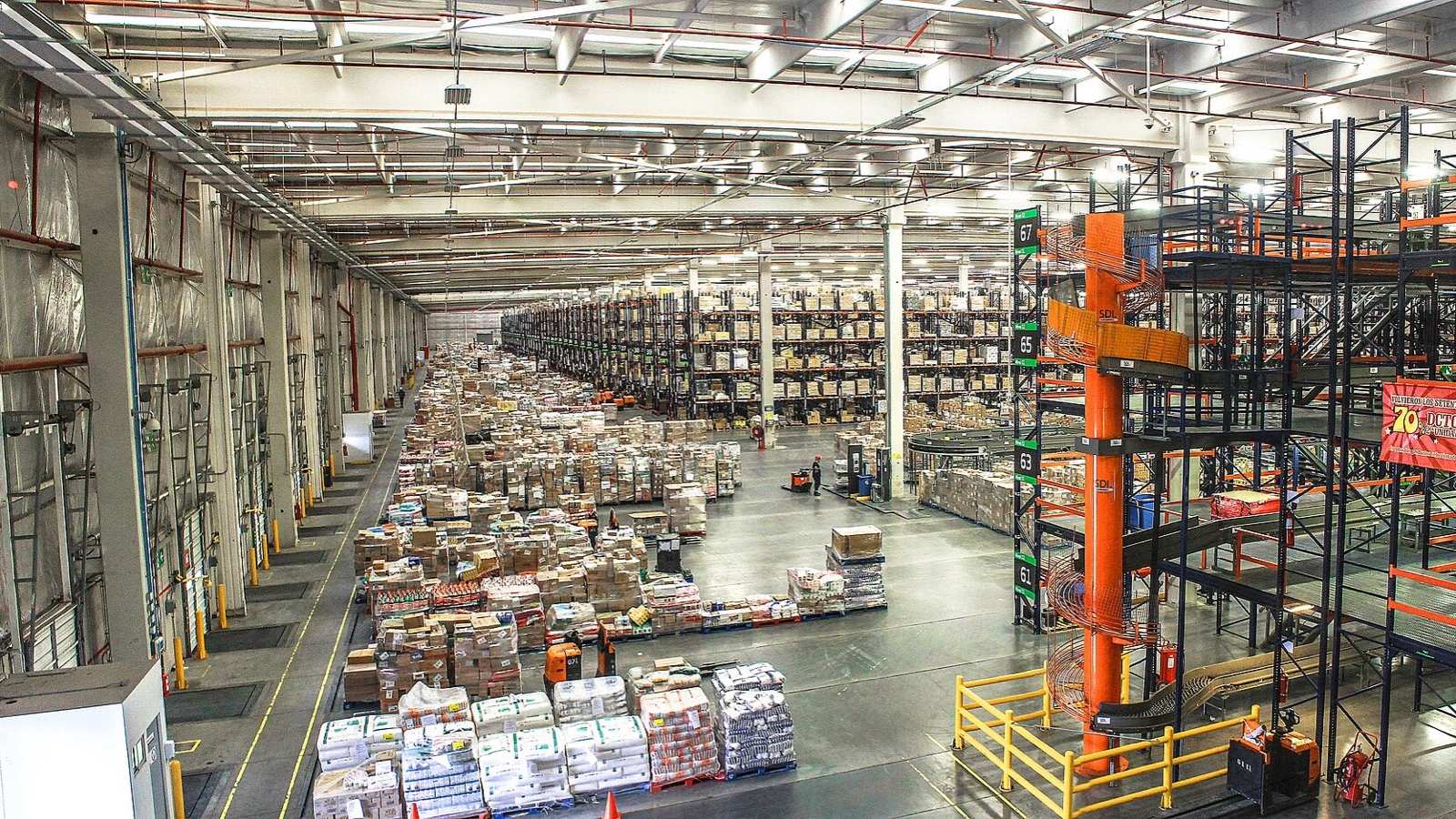

Short answer: Logistics bookkeeping in the Inland Empire records 3PL revenue by client and service, such as storage, handling, fulfillment and accessorials, and splits labor by client where your systems allow. Staffing invoices are matched to approved hours, and rent and utilities are tracked for cost per square foot. Each month you get a profit and loss, client revenue and receivables aging.
A warehouse economy
Ontario, Fontana, Rialto, Jurupa Valley, Moreno Valley and Perris are lined with distribution buildings. Many are run by small and mid-size operators: 3PLs, cross-dock yards, drayage firms and fulfillment shops.
Those businesses bill in pieces. Pallet storage, in and out handling, pick and pack, kitting, accessorials. Costs come in pieces too: temp labor, forklift leases, racking, rent, utilities and damage claims.
What clean 3PL books show
- Revenue by client and by service: storage, handling, fulfillment, accessorials
- Labor by client where your WMS or time system can split it
- Staffing agency invoices matched to the hours you approved
- Forklift and equipment leases recorded the right way
- Damage and claim costs kept apart from normal expenses
- Customer deposits and prepaid storage held as liabilities until earned
- Rent, utilities and insurance, so cost per square foot is clear
Where the money leaks
Accessorial charges that never get billed. Staffing invoices paid for hours nobody approved. A client who pays 75 days late while your rent is due on the first.
None of these show up in a bank balance. They show up when each month is closed and revenue is compared to what the warehouse actually did.
Customer profitability
Some 3PL clients fill racks and pay on time. Others take labor-heavy handling, ask for constant special projects and pay at 60 days. On a revenue report both look like good accounts.
When revenue is recorded by client and labor is split by client where possible, you can see which accounts cover their share of rent and payroll. That is the conversation to have before renewing a contract or raising rates.
Rent, utilities and the cost of space
Warehouse rent in the IE is one of the biggest fixed costs a small operator carries. Utilities, property tax pass-throughs and common area charges come on top.
Recording each one in its own account, every month, gives you a cost per square foot. Compare that with what you bill for storage, and you know whether your storage rates are set right.
The monthly close
- Reconcile Every bank, card and loan account is matched to its statement.
- Match billing Invoices are checked against the activity reports you send. Gaps are flagged for you.
- Review labor Agency invoices and payroll are compared with approved hours.
- Report You get profit and loss, client revenue and receivables aging.
Warehouse logistics by city
Where we work
We keep books for businesses across Riverside County and San Bernardino County.
- Chino
- Corona
- Fontana
- Moreno Valley
- Murrieta
- Ontario
- Rancho Cucamonga
- Redlands
- Riverside
- San Bernardino
- Temecula
- Upland
Questions
Do you connect to our WMS?
Usually not directly. Most WMS tools export billing and activity reports, and those are used to check invoices each month.
We are growing fast. Can the books keep up?
Yes. Monthly bookkeeping scales with transaction volume. A faster close can be set up when lenders or investors ask for it.
Can you help us get lender-ready financials?
Clean, reconciled monthly statements are what most lenders ask for first. Your CPA handles any reviewed or audited statements.