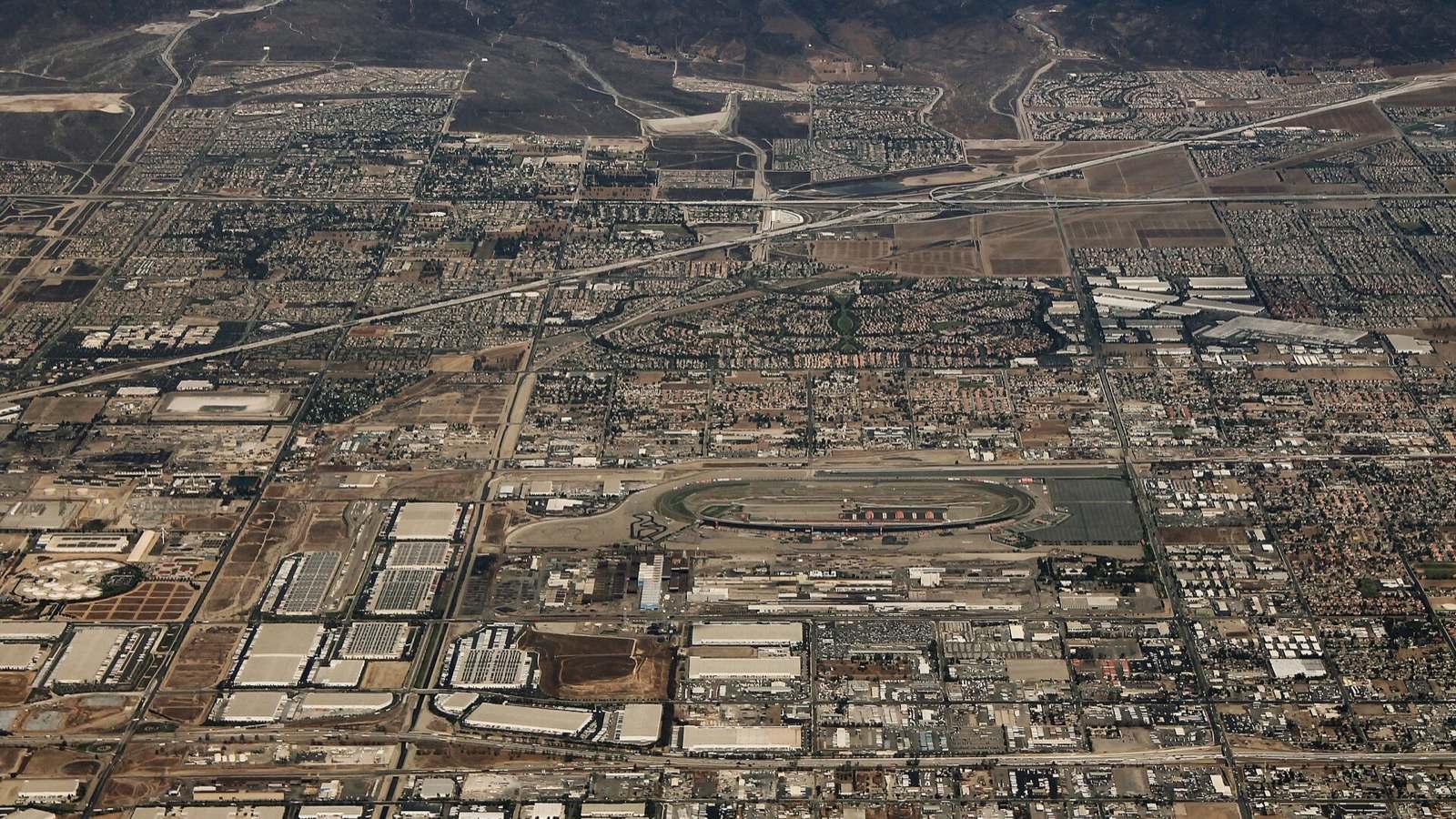

Short answer: Inland Empire industry bookkeeping follows the trade: job costing for contractors, cost per mile for truckers, labor by client for warehouses. Pick your trade below for the records that matter most.
 ConstructionKnow which jobs make money before the next bid goes out, not after the year closes.
 RestaurantGet daily sales, tips and food cost into the books so you know what a plate really earns.
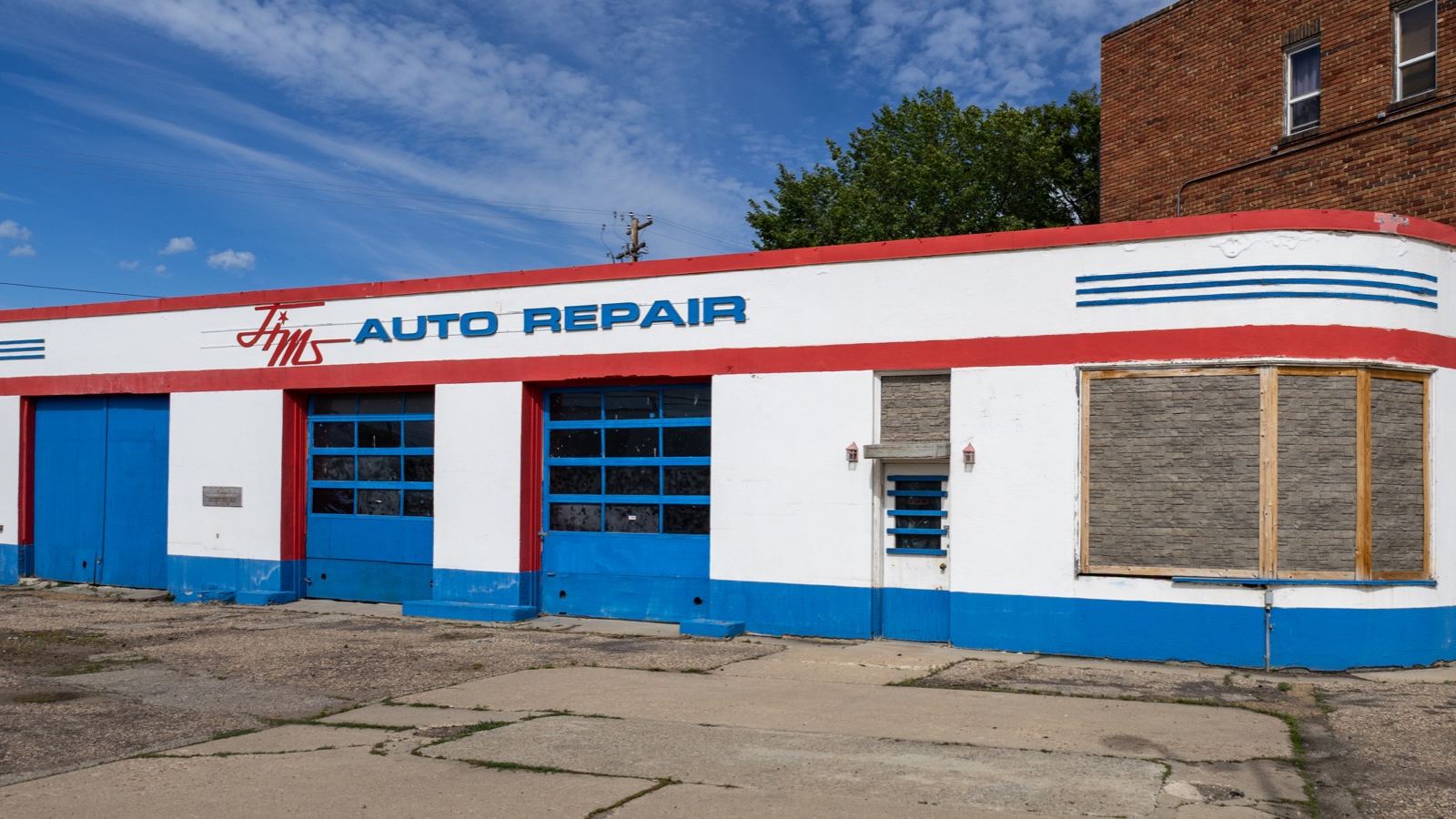 Auto repairSplit parts from labor so sales tax is right and you can see your real margin.
 Medical practiceMatch insurer deposits to production so you can see what the practice actually collects.
 Real estateOne clear report per property, so you see which doors pay and which ones cost you.
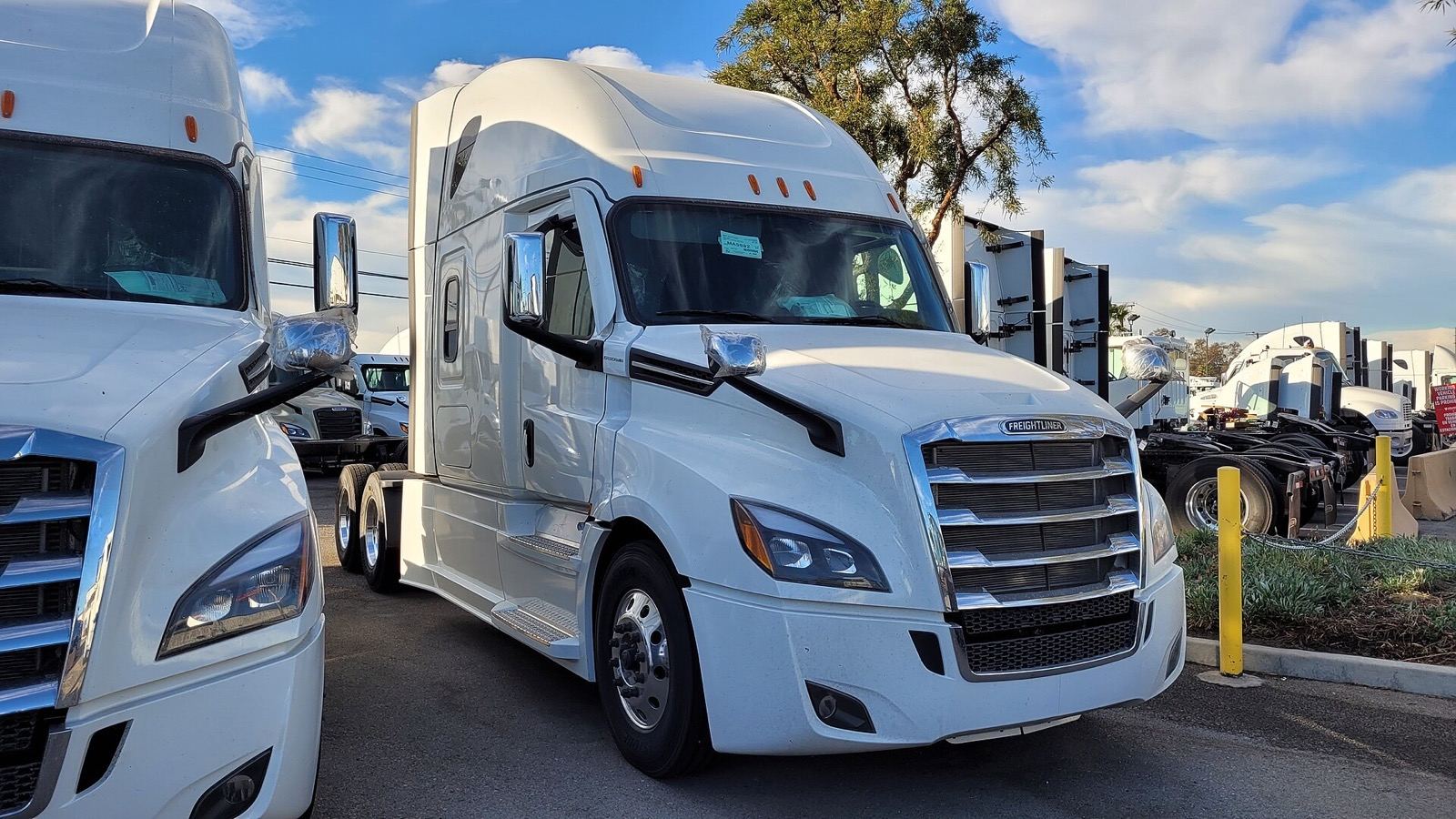 TruckingSee what each truck and each load actually earns after fuel, insurance and the note.
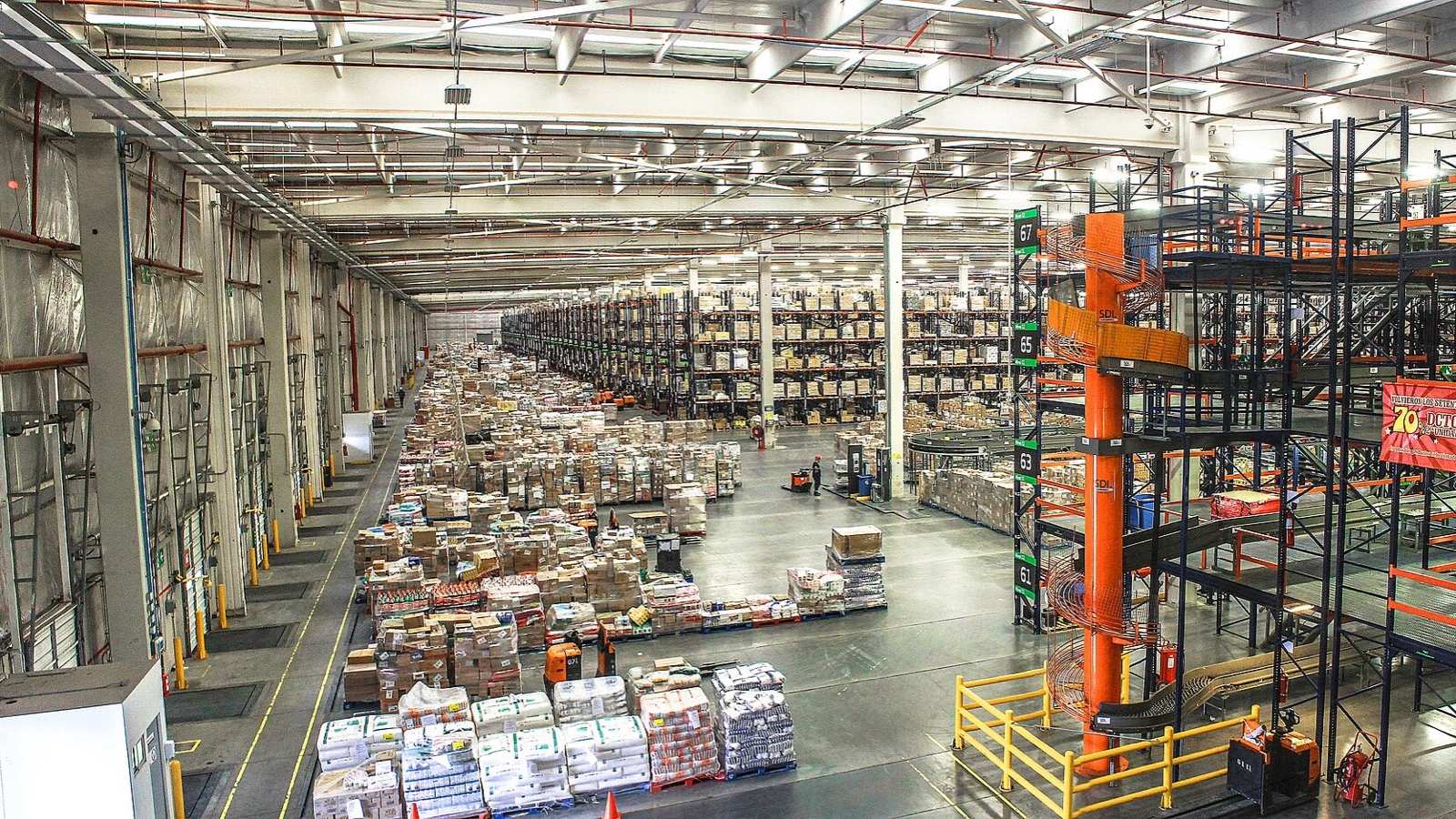 Warehouse logisticsSplit storage, handling and labor by client so you know which accounts carry the building.
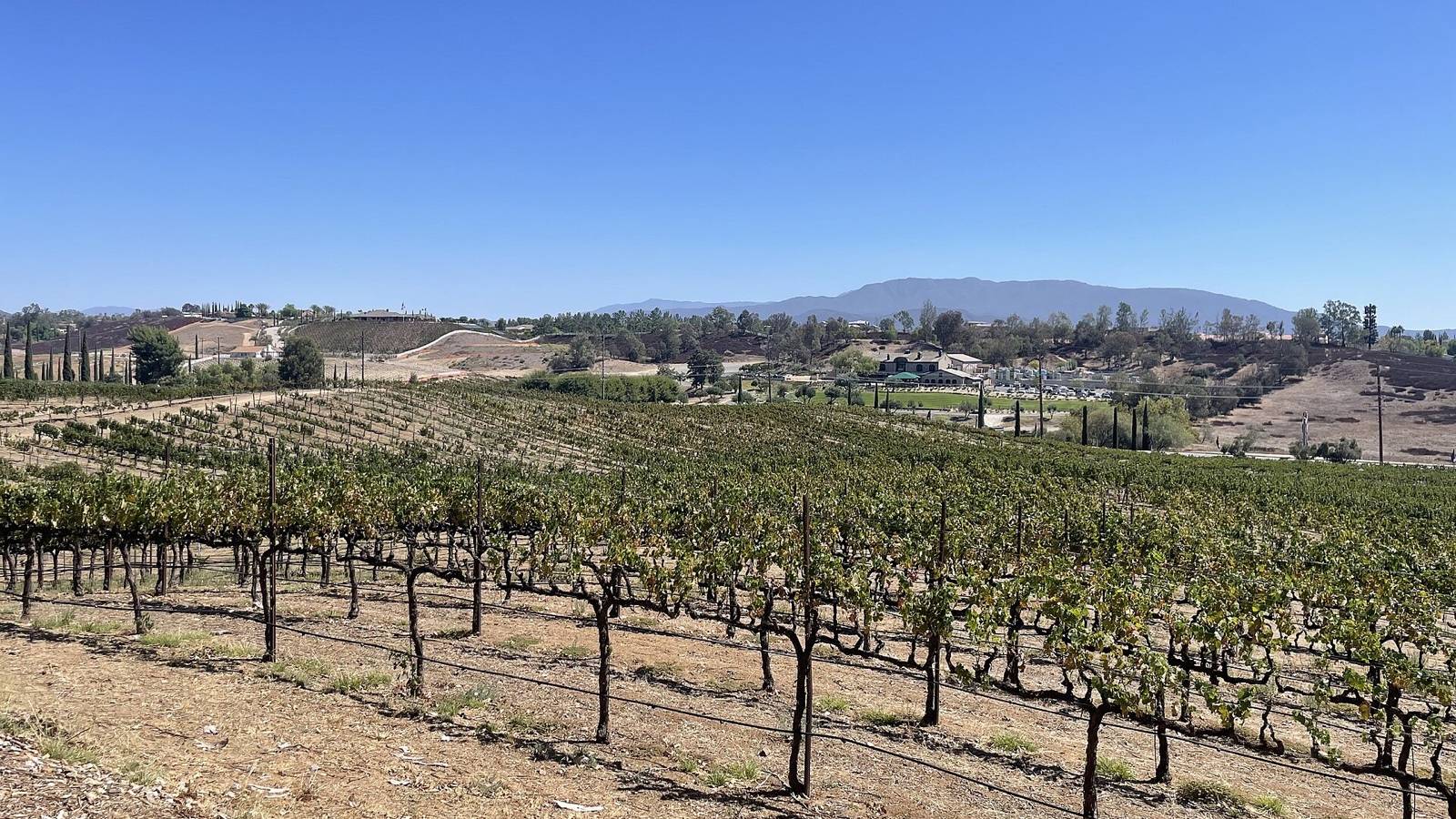 Winery agricultureTrack tasting room, club and wholesale sales apart, and keep the excise records your TTB report needs.
Why the trade matters
A framing contractor needs job costs. An owner-operator needs cost per mile. A taproom needs sales tax filed right and tips tracked. The same chart of accounts cannot serve all three.
The Inland Empire has a lot of businesses that move, build and fix things. Those businesses have high costs, thin margins and a lot of transactions. A bookkeeper who knows the trade sets up the accounts so the numbers you look at are the ones you make decisions with.
Signs your books were set up for a different business
Each of these is fixable without starting over. A bookkeeper adds classes, jobs or items going forward, then decides with you how far back to restate.
- Revenue is one line, so you cannot see which jobs, routes or clients make money.
- Fuel, parts or materials sit in one expense account with office supplies.
- Payments from customers, brokers or insurers show up as lump deposits with no detail.
- Your CPA rebuilds the numbers every spring before filing.
Pick your trade
- Construction and specialty contractors: job costing, retention, progress billing
- Trucking and owner-operators: fuel, IFTA records, profit per load
- Warehousing and 3PL: storage and handling revenue, labor by client
- Auto repair: parts and labor split, sales tax on parts
- Restaurants and food: daily sales, tips, food cost
- Real estate: one class per property, clean Schedule E support
- Medical and dental practices: insurer deposits, payroll, supply costs
- Wineries and growers: inventory, excise records, seasonal cash
Not on the list?
Most small businesses fit one of these patterns. If yours does not, ask anyway. The basics of clean books are the same for everyone: every account reconciled, every transaction in the right place, and a monthly report you can read.
Questions
Do you only work with these industries?
No. These are the trades we see most in Riverside and San Bernardino counties. Any small business with QuickBooks Online or Xero books can ask.
Can you fix books set up for the wrong industry?
Yes. A chart of accounts can be rebuilt and past transactions moved to the right accounts as part of a cleanup.
Which software do you use?
QuickBooks Online and Xero. If you use something else, say so on the call.